

A healthy community is the cornerstone of every thriving society. When people enjoy good health,
children are able to attend school consistently, adults can work productively, families experience
greater financial stability, and communities are better positioned to pursue sustainable development.
Conversely, poor health places immense pressure on households, weakens local economies, limits
educational attainment, and perpetuates cycles of poverty.
Community health extends beyond hospitals and clinics. It encompasses the social, environmental,
economic, and behavioural factors that influence the well-being of individuals and populations.
Access to clean water, nutritious food, proper sanitation, quality healthcare, health education, and
safe living environments all contribute to healthier communities.
In Kenya, significant progress has been made in improving healthcare services over recent decades.
However, many communities continue to face challenges related to preventable diseases, maternal
and child health, inadequate sanitation, malnutrition, limited healthcare infrastructure, and unequal
access to essential services.
These challenges require more than medical interventions. They call for community-driven solutions
that empower people to prevent illness, adopt healthy lifestyles, and participate actively in improving
their own well-being.
At PAP Kenya, we believe that sustainable development begins with healthy people. Investing in
community health creates stronger families, more productive economies, and resilient communities
capable of shaping their own future.

Understanding Community Health
Community health focuses on improving the physical, mental, and social well-being of populations
rather than treating illness alone.
It recognizes that health outcomes are influenced by a wide range of interconnected factors,
including:
- Nutrition.
- Access to clean water.
- Environmental conditions.
- Housing.
- Education.
- Income.
- Hygiene and sanitation.
- Healthcare services.
- Community participation.
This holistic approach shifts attention from reactive healthcare towards prevention, health
promotion, and early intervention.
Healthy communities are not created solely through hospitals. They are built through informed
citizens, supportive policies, strong institutions, and environments that enable people to live
healthier lives.
Why Community Health Matters
Health influences every aspect of development.
Children who grow up healthy perform better in school and are more likely to complete their
education.
Healthy adults are more productive, earn higher incomes, and contribute more effectively to their
communities.
Families spend less on preventable illnesses, allowing them to invest in education, housing,
agriculture, and small businesses.
Communities with strong health systems are also more resilient during emergencies such as disease
outbreaks, natural disasters, or economic shocks.
Investing in community health therefore contributes directly to:
- Poverty reduction.
- Economic growth.
- Improved education outcomes.
- Gender equality.
- Social inclusion.
- Environmental sustainability.
- Community resilience.
Health is not merely a development outcome. It is one of the primary drivers of sustainable
development itself.
Preventive Healthcare: Investing Before Illness Occurs
Preventive healthcare is one of the most effective and cost-efficient ways of improving public
health.
Rather than waiting until people become seriously ill, preventive healthcare focuses on reducing risks
and promoting healthy behaviours that prevent disease from occurring in the first place.
Examples include:
- Childhood immunisation.
- Maternal healthcare.
- Regular health screening.
- Nutrition education.
- Family planning services.
- Disease surveillance.
- Health awareness campaigns.
- Physical activity promotion.
- Tobacco and alcohol prevention programmes.
Communities that prioritize prevention experience lower healthcare costs, reduced disease burden,
and improved quality of life.
Preventive healthcare also strengthens national health systems by reducing pressure on hospitals and
emergency services.
Maternal and Child Health
The health of mothers and children remains one of the strongest indicators of community well
being.
Healthy pregnancies, safe deliveries, proper newborn care, and adequate childhood nutrition create
the foundation for lifelong health and development.
Access to quality maternal healthcare helps reduce preventable complications while improving
survival rates for both mothers and infants.
Key priorities include:
- Antenatal care.
- Skilled birth attendance.
- Postnatal care.
- Breastfeeding support.
- Childhood immunisation.
- Growth monitoring.
- Nutrition counselling.
- Early childhood development services.
Supporting mothers during pregnancy and the early years of childhood produces long-term benefits
that extend across entire communities.
Healthy children are more likely to succeed academically, participate in economic activities later in
life, and contribute positively to society.
Nutrition as a Public Health Priority
Good nutrition is essential throughout every stage of life.
Proper nutrition strengthens immune systems, supports healthy growth, improves learning
outcomes, increases productivity, and reduces vulnerability to disease.
However, many communities continue to experience various forms of malnutrition, including
undernutrition, micronutrient deficiencies, and increasingly, diet-related non-communicable diseases.
Promoting healthy diets requires more than increasing food availability.
Communities also need:
- Nutrition education.
- Access to diverse foods.
- Kitchen gardens.
- Safe food handling practices.
- Maternal nutrition support.
- School feeding initiatives.
- Community awareness programmes.
Healthy diets contribute significantly to stronger communities and improved long-term health
outcomes.
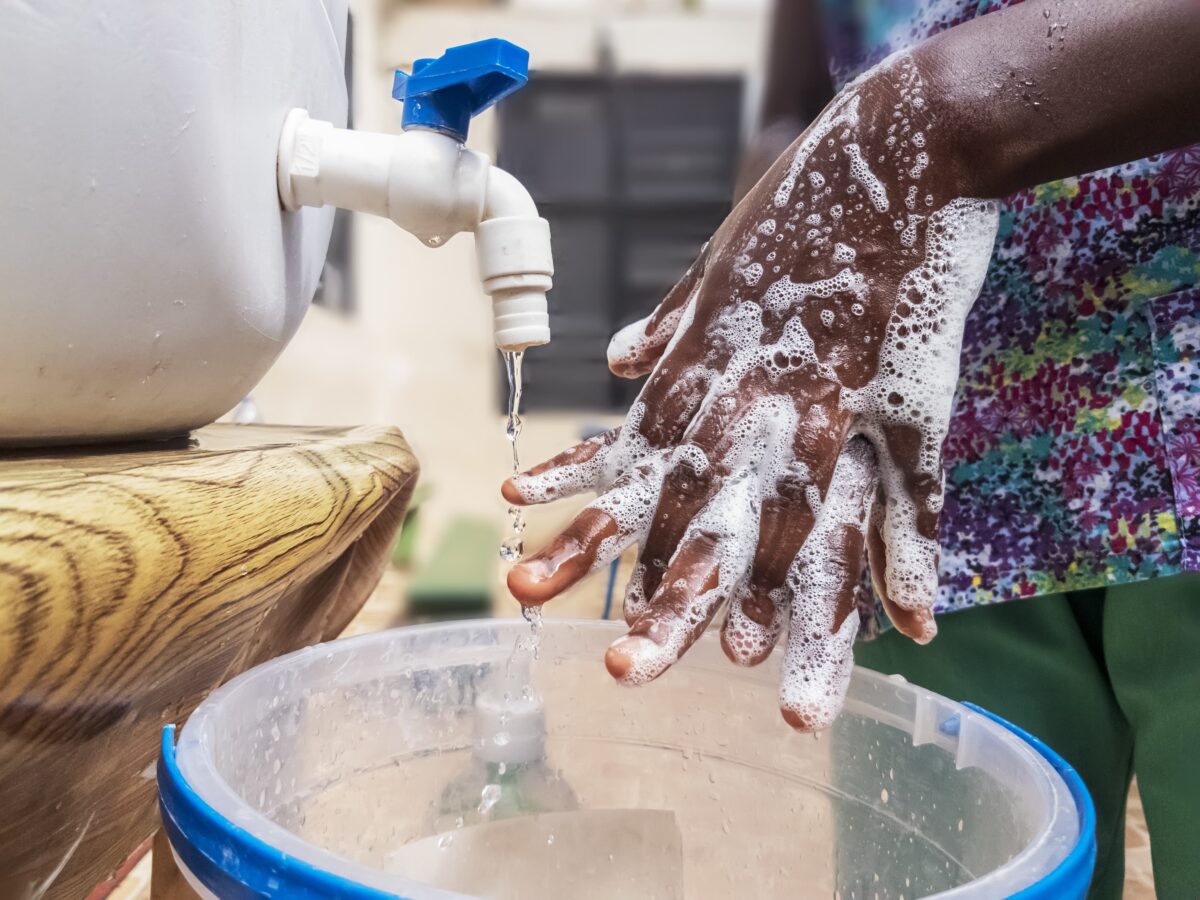
Water, Sanitation and Hygiene (WASH)
Clean water, adequate sanitation, and proper hygiene are fundamental to public health.
Unsafe drinking water and poor sanitation contribute to the spread of diarrhoeal diseases, cholera,
typhoid, and other preventable illnesses that disproportionately affect children and vulnerable
populations.
Improving WASH services includes:
- Safe drinking water.
- Handwashing facilities.
- Proper waste management.
- Improved sanitation infrastructure.
- Community hygiene education.
- Protection of water sources.
These simple yet powerful interventions save lives, reduce healthcare costs, improve school
attendance, and strengthen community resilience.
Communities with reliable WASH services are healthier, more productive, and better equipped to
achieve sustainable development.
Addressing Communicable and Non-Communicable Diseases
Communities today face a growing double burden of disease. While infectious diseases such as
malaria, tuberculosis, HIV, cholera, and waterborne illnesses continue to affect many households,
non-communicable diseases including diabetes, hypertension, cardiovascular diseases, cancer, and
mental health conditions are becoming increasingly common.
This changing health landscape requires integrated community health approaches that combine
disease prevention, early diagnosis, treatment, and long-term health education.
Community-based interventions can significantly reduce disease burden through:
- Health education and awareness campaigns.
- Routine health screening and early detection.
- Community outreach programmes.
- Improved vaccination coverage.
- Vector control initiatives.
- Nutrition promotion.
- Physical activity programmes.
- Community disease surveillance.
- Referral systems linking communities to healthcare facilities.
Early intervention not only improves health outcomes but also reduces treatment costs and
minimizes the social and economic impacts of illness on families.
Communities that prioritize preventive healthcare are better equipped to respond to emerging health
challenges while maintaining healthier populations.
Mental Health: An Essential Part of Community Well-being
Mental health is increasingly recognized as a vital component of overall health.
Stress, anxiety, depression, trauma, substance abuse, social isolation, unemployment, and financial
hardship affect individuals across all age groups and communities.
Despite growing awareness, mental health remains one of the most misunderstood and stigmatized
aspects of healthcare in many societies.
A healthy community supports not only physical well-being but also emotional, psychological, and
social wellness.
Promoting positive mental health includes:
- Community awareness campaigns.
- Reducing stigma around mental illness.
- Access to counselling and psychosocial support.
- Youth mentorship programmes.
- Support groups.
- Safe community spaces.
- Life skills education.
- Early identification and referral for mental health services.
When individuals receive appropriate mental health support, families become stronger, workplaces
become more productive, and communities become more resilient.
Mental health should never be viewed as separate from community development. It is an essential
pillar of human well-being.
Strengthening Primary Healthcare Systems
Primary healthcare is often the first point of contact between individuals and the health system.
Strong primary healthcare services improve access to essential healthcare while reducing pressure on
hospitals and specialized facilities.
An effective primary healthcare system provides:
- Routine medical consultations.
- Maternal and child healthcare.
- Immunization services.
- Family planning.
- Health promotion.
- Disease prevention.
- Nutrition services.
- Community outreach.
- Referral services.
Accessible and affordable primary healthcare enables communities to receive timely care before
illnesses become severe.
Strengthening primary healthcare also promotes equity by ensuring that vulnerable populations,
including those living in remote and underserved areas, can access essential health services.
Community Health Workers: The Bridge Between Communities and Healthcare
Community Health Workers (CHWs) play a critical role in strengthening healthcare systems,
particularly in rural and underserved communities.
As trusted members of their communities, they provide health education, monitor vulnerable
households, identify health risks, promote disease prevention, and connect families with formal
healthcare services.
Their responsibilities often include:
- Household health education.
- Maternal and newborn support.
- Nutrition counselling.
- Immunization follow-up.
- Monitoring child growth.
- Disease surveillance.
- Community mobilization.
- Health referrals.
- Hygiene promotion.
Community Health Workers help ensure that healthcare reaches people where they live rather than
waiting for people to seek services after illness occurs.
Investing in their training, supervision, and support strengthens the entire healthcare system while
improving health outcomes at community level.
The Role of Education in Improving Community Health
Health education empowers individuals to make informed decisions about their well-being.
Knowledge enables people to prevent disease, recognize early symptoms, adopt healthier lifestyles,
and seek medical care when necessary.
Community health education covers topics such as:
- Personal hygiene.
- Nutrition.
- Safe food preparation.
- Sexual and reproductive health.
- Maternal health.
- Disease prevention.
- Environmental sanitation.
- Mental health awareness.
- Substance abuse prevention.
Schools, community organizations, faith-based institutions, youth groups, and local leaders all play
important roles in promoting healthy behaviours.
When communities are informed, they become active participants in protecting and improving their
own health.
Technology and Innovation in Community Healthcare
Technology is transforming healthcare delivery across Kenya.
Digital health solutions are expanding access to healthcare information, improving communication
between patients and healthcare providers, and strengthening health system management.
Examples include:
- Telemedicine consultations.
- Electronic medical records.
- Mobile health applications.
- SMS health reminders.
- Disease surveillance systems.
- Digital health education platforms.
- Maternal health tracking.
- Community health reporting tools.
Technology also improves emergency response, supports healthcare planning, and enables better
monitoring of public health trends.
However, technology should complement rather than replace community engagement.
The most effective health systems combine innovation with strong community participation, trusted
healthcare workers, and accessible services.

Community Participation in Health Promotion
Communities themselves are the most important partners in improving public health.
Lasting improvements occur when individuals take ownership of health initiatives, participate in
local decision-making, and work collectively to address shared challenges.
Community participation may involve:
- Village health committees.
- Community clean-up campaigns.
- Water source protection.
- Nutrition education groups.
- School health clubs.
- Youth awareness initiatives.
- Women’s support groups.
- Local disease prevention campaigns.
Participation builds trust, strengthens accountability, and ensures that health interventions respond
to the actual needs and priorities of communities.
Development is most sustainable when communities become leaders rather than beneficiaries of
change.
The Role of PAP Kenya in Promoting Community Health
At PAP Kenya, we recognize that healthy communities are the foundation of sustainable
development. Good health enables children to learn, adults to work productively, families to build
secure livelihoods, and communities to participate fully in social and economic development.
Our approach to community health extends beyond healthcare services. We work to address the
underlying social, economic, and environmental factors that influence health outcomes. By
strengthening prevention, promoting healthy behaviours, and supporting community-led solutions,
we aim to create healthier, more resilient communities across Kenya.
Our community health initiatives focus on:
- Promoting preventive healthcare and health education.
- Supporting maternal, newborn, and child health.
- Improving nutrition and food security.
- Promoting water, sanitation, and hygiene (WASH).
- Encouraging disease prevention and early intervention.
- Strengthening community participation in health programmes.
- Supporting environmental conservation as a public health priority.
- Building partnerships that improve access to quality healthcare services.
We believe that sustainable health improvements are achieved when communities are empowered
with knowledge, resources, and opportunities to take ownership of their own well-being.
Building Resilient Communities Through Better Health
Healthy communities are resilient communities.
When people enjoy good health, they are better equipped to respond to economic challenges,
environmental shocks, disease outbreaks, and other crises that may threaten their well-being.
Building resilience requires strengthening not only healthcare systems but also the broader
conditions that support healthy lives.
These include:
- Safe and affordable housing.
- Access to clean water.
- Sustainable food systems.
- Quality education.
- Environmental protection.
- Economic opportunities.
- Social inclusion.
- Community leadership.
Resilience is built through collaboration. Governments, healthcare providers, civil society
organizations, educational institutions, development partners, and local communities all have
important roles in creating environments where people can live healthy and productive lives.
By investing in health today, communities reduce future vulnerabilities while creating stronger
foundations for long-term development.
Looking Ahead
Kenya has made remarkable progress in improving healthcare over the years, yet significant
opportunities remain to strengthen community health systems, particularly in underserved and rural
areas.
Emerging health challenges, including climate-related diseases, population growth, urbanization, and
the increasing prevalence of non-communicable diseases, require innovative and integrated
solutions.
The future of community health will depend on:
- Strong primary healthcare systems.
- Continued investment in prevention.
- Community participation.
- Digital health innovation.
- Well-trained health workers.
- Multi-sector partnerships.
- Policies that promote equity and inclusion.
Communities themselves will remain central to this transformation. Sustainable health outcomes are
achieved when people are empowered to make informed decisions, participate actively in health
programmes, and contribute to creating healthier environments for themselves and future
generations.
At PAP Kenya, we remain committed to supporting this vision by working alongside communities
to promote health, strengthen resilience, and improve quality of life through inclusive and
sustainable development.
Conclusion
Community health is far more than the absence of disease. It is the foundation upon which
sustainable development is built.
Healthy individuals contribute to stronger families. Healthy families strengthen communities.
Healthy communities drive economic growth, social stability, environmental stewardship, and
national development.
Improving community health requires long-term investment in prevention, education, nutrition,
sanitation, environmental conservation, primary healthcare, and community empowerment.
No single institution can achieve these goals alone. Success depends on collaboration among
governments, healthcare providers, development organizations, communities, and individuals who
share a commitment to improving the well-being of all.
PAP Kenya remains dedicated to advancing community health through integrated, people-centred
approaches that address immediate health needs while building resilient systems capable of
supporting future generations.
Together, we can create communities where every person has the opportunity to live a healthy,
productive, and dignified life.
Frequently Asked Questions
What is community health?
Community health focuses on improving the physical, mental, and social well-being of people within
a specific community through disease prevention, health promotion, education, and access to quality
healthcare services.
Why is community health important for sustainable development?
Healthy communities are more productive, resilient, and economically stable. Good health improves
educational outcomes, supports livelihoods, reduces poverty, and enables communities to participate
fully in sustainable development.
What are the key components of community health?
Community health includes preventive healthcare, maternal and child health, nutrition, water and
sanitation, disease prevention, mental health, environmental health, health education, and access to
quality healthcare services.
How does clean water improve community health?
Access to safe drinking water reduces the spread of waterborne diseases, improves hygiene, supports
better nutrition, and contributes to healthier living conditions for entire communities.
What role do Community Health Workers play?
Community Health Workers provide health education, promote disease prevention, support
maternal and child health, monitor vulnerable households, and connect communities with formal
healthcare services.
How does PAP Kenya support community health?
PAP Kenya promotes preventive healthcare, nutrition, WASH, maternal and child health,
environmental conservation, health education, and community-led initiatives that strengthen
resilience and improve the quality of life across Kenyan communities.
Join Us in Building Healthier Communities
Creating healthier communities requires collaboration, innovation, and shared responsibility.
Whether you are a healthcare professional, policymaker, donor, researcher, volunteer, community
leader, or concerned citizen, your contribution can help improve health outcomes and strengthen
sustainable development across Kenya.
PAP Kenya welcomes partnerships with individuals and organizations committed to advancing
community health, promoting equity, and creating lasting positive change.
Together, we can build communities where every individual has the opportunity to live a
healthier, safer, and more fulfilling life.
